
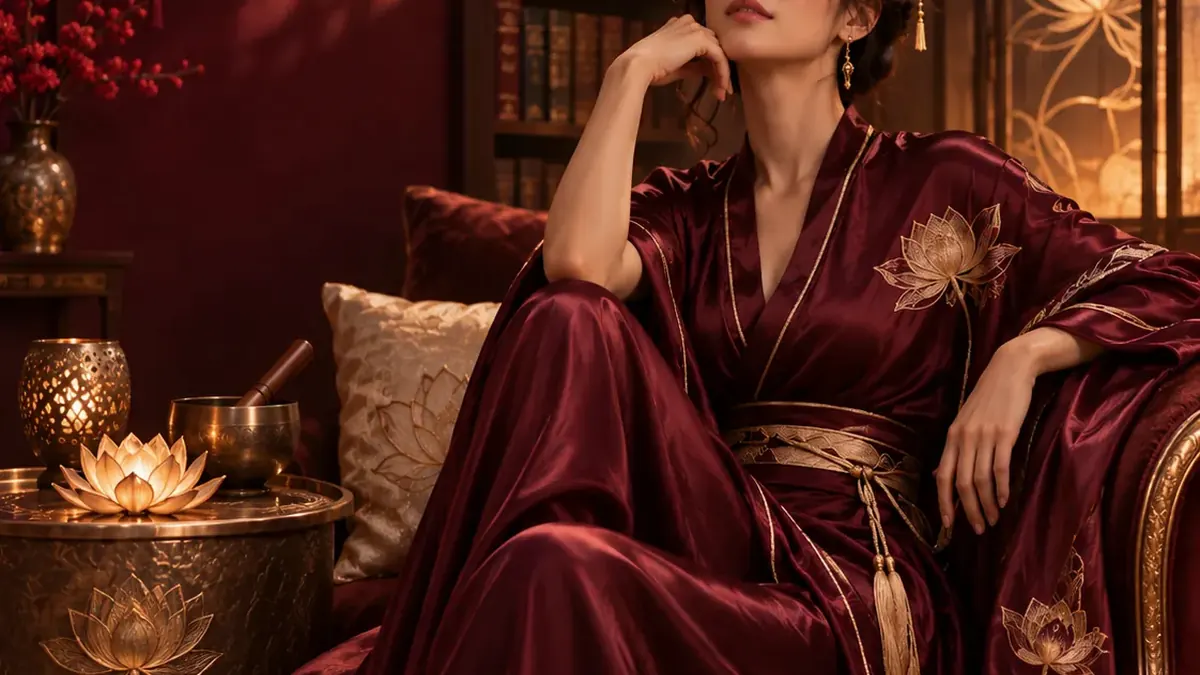
Tantra is not a single sensual technique. It names diverse ritual, textual, and contemplative traditions with long histories in South Asian religions.
Editorial review: November 12, 2026 · Educational material
A family of traditions, not one technique
Scholars use Tantra to discuss bodies of Hindu and Buddhist scriptures, ritual technologies, mantras, visualizations, initiatory lineages, and distinctive understandings of the body and cosmos. There is no single list of beliefs that describes every tradition. Historical and doctrinal context matters more than a catchy contemporary label.
Why the popular definition is narrow
Twentieth-century popular culture, particularly in the West, frequently connected tantra with sexual freedom and pleasure. Some historical sources do employ sexual imagery and, in particular settings, ritual practices. Yet many other forms focus on devotion, contemplation, sacred sound, and liberation. Treating all Tantra as a sexual service misrepresents the record.
A responsible way to begin
Start with accessible scholarship, terminology, cultural objects, and contemplative exercises that are genuinely open to the public. If a practice is said to require initiation or lineage authorization, ask which tradition provides it and how that authorization can be verified. Respectful study does not demand intimate participation.
How to read this topic responsibly
This guide separates historical description, present-day interpretation, and evidence. The questions below help make that distinction practical.
- Which source is speaking? Identify its date, tradition, author, and intended audience.
- Is a statement symbolic, cultural, personal, or supported by reproducible research? These are not equivalent kinds of evidence.
- What can a reader actually do with this information? Begin with reading, discussion, and gentle public practices; reject pressure or extraordinary promises.
Connections worth exploring
The question explored here — What Is Tantra? Religion, History, and Modern Misunderstandings — belongs to the wider field of Tantric Wisdom. Compare it with the adjacent readings below. Cultural meaning, individual preference, and scientific findings should be considered separately; none of those categories automatically validates a commercial promise.
Historical diversity and practical discernment
Tantric texts emerged across places and centuries; they were not composed as a single curriculum by one teacher. Some practices use deity imagery, mantras, mandalas, and ritual procedures, while other materials articulate distinctive views of the body and cosmos. Historians identify particular scriptures and communities before making broader claims about what Tantra means. A modern experience cannot simply claim every one of these legacies.
Three questions can help a curious reader: Which tradition is being discussed? Is this public cultural study or an initiation-bound practice? Which reliable sources support the explanation? Atmosphere and refined design can make an experience inviting, but neither a lotus motif nor a beautifully designed room is proof of an authentic lineage.
Sources & Further Reading
The links below support historical or health-related distinctions made in this article. They do not imply endorsement of SACRED TANTRA.