
A Journal of Wisdom, Culture & Presence
Explore 20 original, referenced cultural articles spanning historical Tantra, Taoist thought, embodied awareness and sensory mindfulness. Cultural history, personal belief and clinical evidence are distinguished throughout.

What Is Tantra? Religion, History, and Modern Misunderstandings
Tantra is not a single sensual technique. It names diverse ritual, textual, and contemplative traditions with long histories in South Asian religions.
Read article →
Traditional Tantra vs. Neo-Tantra: The Important Differences
A shared word can conceal very different aims: formal religious initiation and contemporary wellness workshops are not interchangeable.
Read article →
Hindu and Buddhist Tantra: Related Yet Distinct Traditions
Hindu and Buddhist tantric traditions developed through historical interaction, yet their ritual languages and religious aims cannot simply be collapsed.
Read article →
Tara and Feminine Wisdom in Buddhist Culture
Tara is a major female figure in Buddhist devotion and art, frequently associated with compassion and the protection of beings.
Read article →
What Were the Chinese Arts of the Bedchamber?
Fangzhongshu, often translated as “arts of the bedchamber,” refers to historical Chinese writings on bodies, sexuality, and cultivation.
Read article →
What Does “Cai Yang Bu Yin” Mean in Historical Context?
The phrase “cai yang bu yin” is commonly invoked in discussions of gendered yin-yang nourishment, but its historical meanings are not uniform.
Read article →
Is There Scientific Evidence for “Absorbing Yang Energy”?
Historical yin-yang theories have cultural significance; this does not establish a measurable transfer of “yang energy” or anti-aging benefit through intimacy.
Read article →
Yin, Yang, Qi, and Neidan: An Introductory Map
Yin-yang, qi, and neidan are related but distinct concepts within Chinese philosophy and religious cultivation.
Read article →
Embodied Awareness for Women: What It Means in Everyday Life
Embodied awareness begins with noticing ordinary signals such as posture, breath, comfort, fatigue, and personal preference.
Read article →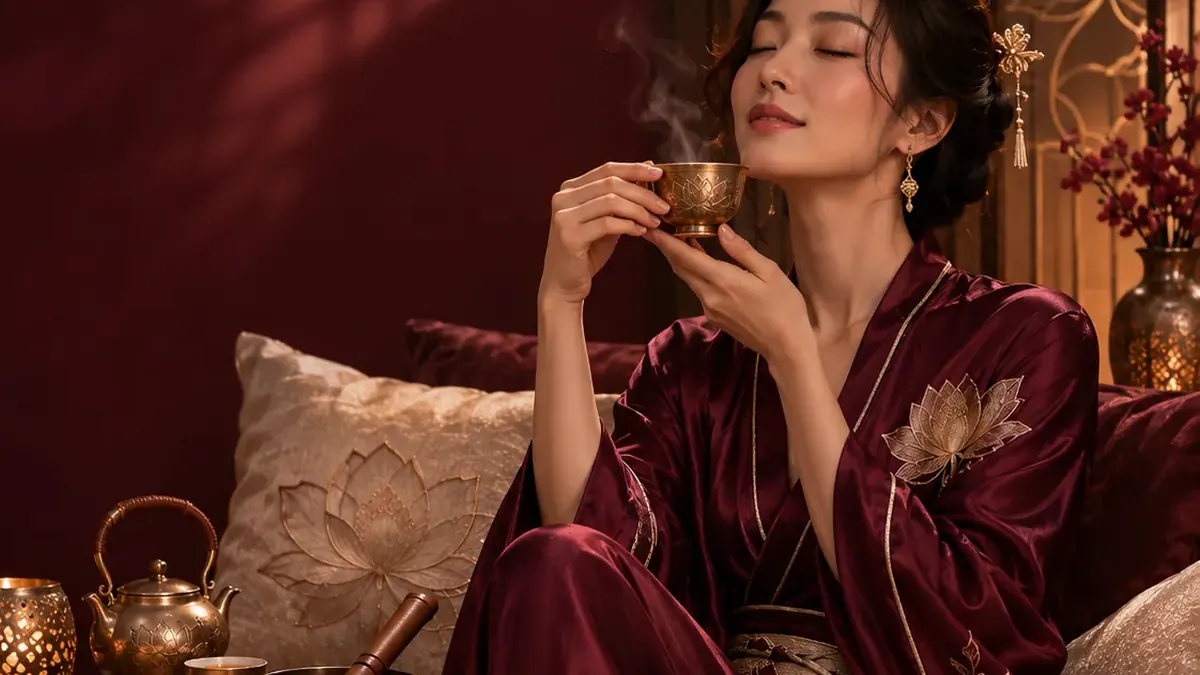
Sensory Mindfulness: Sound, Scent, Texture, and Presence
Sensory mindfulness is less about chasing intensity than noticing ordinary experience with curiosity and choice.
Read article →
Private Tantra Mentorship in Los Angeles: What to Expect
One-to-one instruction can offer focused learning about culture, meditation, and personal reflection when its scope is stated clearly.
Read article →
Tantra for Beginners: Seven Useful Questions
Beginning Tantra starts with clear questions about sources, lineage, and the difference between study and initiation.
Read article →
What Is a Mandala? Sacred Space, Art, and Contemplation
A mandala is more than a symmetrical ornament: its form and interpretation depend on religious setting and use.
Read article →
Mantras, Repetition, and Meditation: A Clear Introduction
Repetition, meditation, and sacred sound can overlap, but their interpretations differ between religious and contemporary settings.
Read article →
The Sacred Body: An Approach Grounded in Women’s Autonomy
A contemporary language of sacred embodiment can begin with respect for personal boundaries rather than prescribing a new ideal of womanhood.
Read article →
Mawangdui Manuscripts and Early Chinese Cultivation
Excavated texts from Mawangdui have transformed scholarly understanding of early Chinese self-cultivation.
Read article →
What Is Qi? Cultural Meanings and Scientific Questions
Qi is a layered cultural and philosophical concept; using the term does not by itself identify a scientifically measured force.
Read article →
Gentle Breathwork: A Comfortable Starting Point
A gentle breathing practice prioritizes comfort and natural rhythm, not dramatic breath holds or intense sensations.
Read article →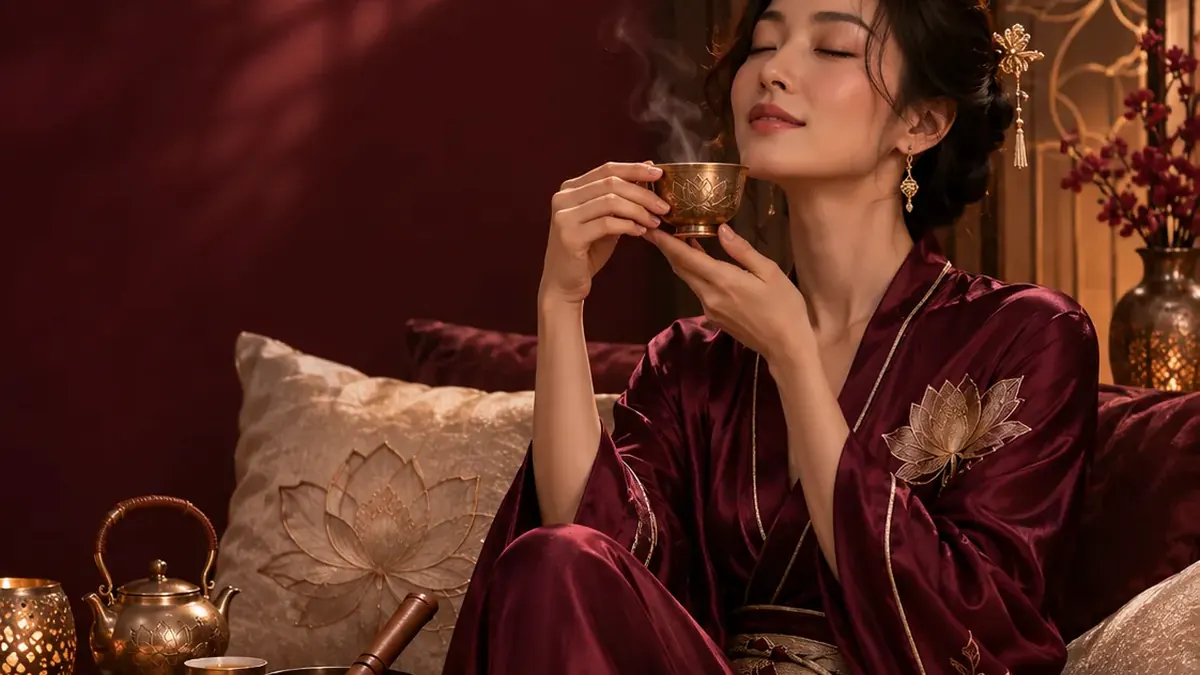
Sensory Art and Ritual Aesthetics: An Editorial Guide
Spaces, materials, and art can support reflective experiences without becoming proof of spiritual authority or medical benefit.
Read article →
Choosing a Private Spiritual Guide: Six Questions to Ask
Trust in private guidance comes from clearly stated scope, verifiable background, and the learner’s genuine agency.
Read article →